
By Martyn Walker
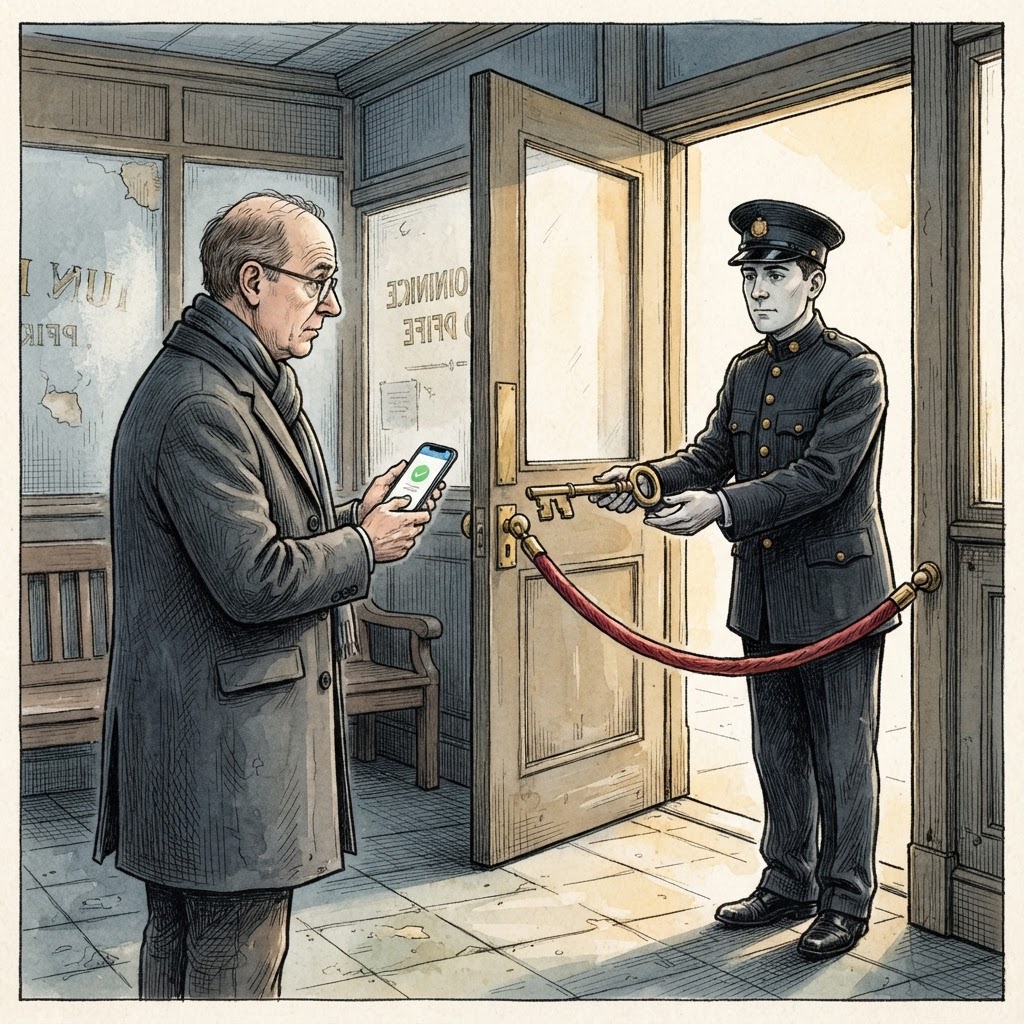
I have two ways of finding out what time the chemist shuts. On the door it says half past five. On the website it says, ‘We value your privacy.’ I have always rather liked the door.
When Britain was working out how to apply the EU’s cookie directive, Downing Street saw an early draft of the proposed rules and, I gather, thought them bonkers. I should love to know how the uncivil service minuted that. ‘Ministers welcomed the opportunity for further reflection’, at a guess. A few tiers of advisers later, I was asked to write a white paper on what the proposals would mean for businesses trading online.
A cookie is a small piece of data your browser keeps. Some last for a visit. Others are there when you come back tomorrow. The useful one in an online shop often amounts to a cloakroom ticket. The shop keeps the basket and your browser presents the ticket, so the shoes you put in it are still there when you go back for the polish. I’m quite content with that arrangement. I might even ask to be told when Manolo Blahnik produces another red abomination, if only to see what it costs. I draw the line at the bloody thing turning up beside the cricket scores because I once looked at it in a shop window. [1] [2]
The EU recognised the difference. Its 2009 directive required consent to store or read information on a device, with an express exception for what was strictly necessary to provide a service the visitor had asked for. My shopping basket qualified. Brussels left the design of the notice open. Whoever decided that reading the cricket required a conference with the advertising industry exercised considerable initiative. [3] [4]
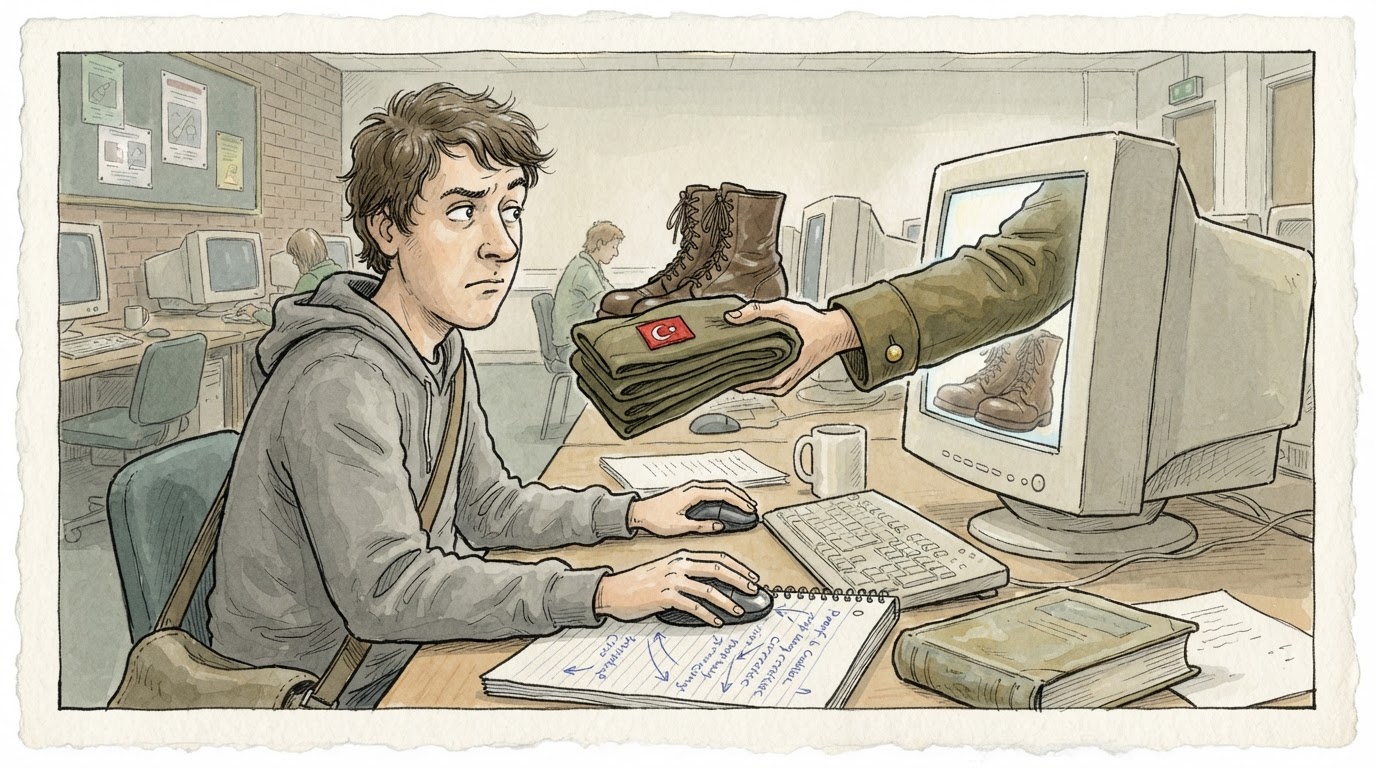
I had a practical question for my white paper. Would anybody actually read the thing? I had some willing students and we built a replica of the BBC News site using the BBC’s own stories. We told the students there were one or two errors in the material and asked them to record what they found. They had good reason to pay attention.
We made two changes. The cookie notice said that anyone accepting it agreed to serve a year in the Turkish army. Once they had accepted, we showed it to them again at random intervals of between ten and fifty pages. Even the most absent-minded recruit had a sporting chance of reconsidering.
The students found spelling mistakes. They took exception to the BBC’s grammar. Several stories were judged to be plain wrong, although on that point we had only the students’ word and the BBC was entitled to a second opinion. Every one of them clicked to accept. Nobody mentioned the Turkish army. I did briefly consider writing to Erdoğan with the good news about recruitment, but thought better of it.
On 24 May 2011, two days before the UK rules took effect, the government wrote to industry. Businesses working towards compliance would have time to get it right. A choice made through browser settings could count, provided the user actually chose them. Leaving the defaults alone would not do. I flatter myself that my paper helped. The department said it had settled its approach in April after consulting widely, so I shall resist the temptation to claim that I personally saved the British shopping basket. [5] [6] [7]
As a money laundering reporting officer, I have a fair amount of regulation to live with and good reason to value most of it. If a control produces an immaculate record of everybody saying yes, I want to know what happened to the people who wanted to say no. In a study published in 2020, researchers tried different consent screens on 40 people. Taking the refusal button off the first screen raised acceptance by 22–23 percentage points. You can see why a man who sells advertising might take an interest in where the buttons go. [8]
Did anyone lobby for the rule in the hope of selling the remedy? I have no evidence of that, though I recognise a good business when I see one. In 2025 the European Commission’s own staff estimated the annual cost to EU websites of complying with the cookie rule at €1.64 billion and the time people spent dealing with banners at 334 million hours a year. They allowed three and a half seconds per encounter. I should like to see the official who can read the list of ‘trusted partners’ in three and a half seconds. [9]
There is room for common sense. Under today’s UK rules a site can, for example, count visits solely to improve its service, subject to safeguards including clear information and a free, simple way to object. Advertising cookies still need consent, and the regulator expects refusal to be as easy as acceptance. A chemist who simply puts his opening hours online can leave me in peace. [4] [2] [10]
The trouble is that, after years of this nonsense, even I hesitate when the chemist’s website opens and tells me straight away what time he shuts. Is he trying to phish the merry fuck out of me? Give the fellow a handsome banner saying ‘We value your privacy’ and I feel better about him at once.
I really ought to know better. I wrote one of those notices myself and raised an army.
Sources
- How HTTP cookies work, MDN
- ICO guidance on cookies used in advertising
- Directive 2009/136/EC, Article 2(5) and recital 66
- ICO guidance on exemptions, including shopping baskets and service statistics
- UK government open letter to industry, 24 May 2011
- 2011 UK amending regulations, regulation 6
- UK government account of the enforcement approach
- Midas Nouwens and colleagues, Dark Patterns after the GDPR (2020)
- European Commission staff working document SWD(2025) 836, section on cookie banners and Table 6
- ICO guidance on offering accept and reject choices