Typhoon pilots sprint for cockpits that have flown ten per cent fewer hours this year so their squadrons could meet an emissions cap.
Tankers sit on the apron topped up with scarce Sustainable Aviation Fuel that costs four times more than kerosene, so the wing commander releases just two instead of the required four.
The calculus is brutal, and it is instant: fewer jets in the air, slimmer magazines, thinner margins.
The adversary—be it Russian bombers, Chinese hypersonic glide vehicles, or a swarm of weaponised drones smuggled across Europe’s southern flank—does not care that our bases run on wind power or that our hangars are net‑zero.
All that matters in that moment is whether we can fight and win.
Survival first, stewardship second
Climate policy is a long‑term struggle for habitability; war is an immediate struggle for survival.
Lose the second and the first becomes irrelevant.
An occupied nation has no agency over carbon prices, land‑use policy, or green R & D.
Remember how Ukraine’s grid decarbonisation goals evaporated the instant Russian missiles targeted Kyiv’s substations; the only metric that counted was megawatts restored quickly enough to keep lights on and radars spinning.
The same brutal arithmetic would apply here.
If Portsmouth is cratered or RAF Lossiemouth is reduced to rubble, our gleaming solar arrays and impeccably sorted recycling streams will not defend the Channel, guard data cables in the Atlantic, or shield cash machines from cyber‑extortion.
The illusion of choice
Proponents of the current programme argue the United Kingdom can “walk and chew gum”, greening Defence while preserving deterrence.
That phrase rings hollow when budgets are already stretched between replacing Trident, recapitalising land forces gutted after the last review, and standing up an AUKUS submarine fleet.
Every pound poured into retro‑fitting hangars is a pound not spent on stocks of medium‑range air‑to‑air missiles; every hour an F‑35B sits in a simulator to save carbon is an hour the pilot is not honing instinctive reactions to a real, air‑combat merge.
The hard truth is that Defence cannot buy itself out of physics.
Hydro‑treated plant oils and e‑fuels hold less energy per kilogram than Jet A‑1. Batteries steal payload and range.
“Do more with less fuel” eventually becomes “do less”.
A realistic hierarchy of need
Win the fight. Deterrence that fails costs cities, not credit‑rating points. War‑winning mass and readiness must sit at the top of the spending stack.
Harden the force. Where green technologies also add resilience—micro‑grids that keep a station alive when the national grid is hacked, for example—they should be accelerated. But they serve the war‑fighting aim first.
Cut emissions without cutting capability. Capitalise on incremental gains already proven in conflict—formation flying software that trims fuel burn, synthetic training that substitutes only the least valuable live sorties—not the most.
Hold ambition to account. Net‑zero deadlines must carry a readiness‑override clause: if a target compromises deterrence, it slips. Not the other way round.
A closing vision
Picture a different headline five years hence: “RAF repels barrage on UK airspace; combat air wing retains 92 % mission‑capable rate.”
In the footnotes, you learn the bases ran on a hybrid micro‑grid, and the tankers blended 20 % SAF because supply chains allowed it—not because doctrine demanded it.
That is how sustainability should look in a world of peer conflict: a dividend of strength, never a substitute for it.
Climate change may shape the century, but if the Union Flag is replaced over Whitehall, the climate debate—along with every other public good—ends at the barrel of someone else’s gun.
First secure the realm. Then, in the peace our readiness secures, we can afford the luxury of arguing about carbon.
It has long been observed by the more reasoned minds of our warren that the natural world suffers from an untenable crisis: a surfeit of the living and an insufficiency of the dead. While all creatures are guaranteed the equal right to exist in this great and bounteous world, it is a truth universally acknowledged that not all lives are of equal worth. The great foxes and wolves must eat; the snakes must coil and consume; the brutal hares must wage their ceaseless wars against badgers. And yet, in their noble pursuit of the natural order, they find themselves hindered by an inefficiency most lamentable: the unstructured, chaotic proliferation of the small and meek.
Chief among the burdens of our age is the matter of the rabbits, my own species, whose unchecked population growth has long threatened to destabilise the ecosystem. Our prolific breeding has led to overcrowding, disputes over territory, and—most grievously—a dangerous shortage of edible rabbits for the foxes and wolves. Furthermore, our brethren, in their misguided insistence on survival, have resisted their natural obligation to provide themselves as sustenance for their betters, leading to distressing incidents in which our noble predators have been reduced to devouring lesser meats such as voles, shrews, and, on occasion, their own kind.
To this end, I humbly submit a practical and benevolent solution: the centralisation and redistribution of rabbits as a shared planetary resource, ensuring that no fox, wolf, or snake need ever go hungry again. This plan, while radical, is perfectly in line with our longstanding policy of sharing resources, particularly in the realm of space exploration, wherein the great powers have so graciously agreed that no one nation may claim celestial bodies for themselves—despite, of course, their continued mining operations on the Moon and asteroids, undertaken solely for the betterment of all.
This paper shall outline the principles of my modest proposal, which I believe will be embraced with the enthusiasm of reason and the warmth of self-interest.
Chapter One: The Burden of the Meek
It is a common grievance among foxes that the modern rabbit has become insufferably individualistic. Where once they roamed in docile herds, happily bounding into the jaws of their natural masters, today’s rabbit exhibits a regrettable tendency toward self-preservation. They burrow, they scatter, they even—most disgracefully—form alliances with their natural predators in the form of deceitful trade agreements. Many a wolf has been left gnawing on the dry sinew of a badger carcass, while an enterprising rabbit sells its kin to the mice in exchange for shelter or surplus grain.
The mice, of course, play their own pitiful role in this tragicomedy. Ever eager to serve, they scurry at the heels of the rats, mistaking their tyranny for wisdom. The rats, in turn, are clever enough to avoid the foxes’ teeth, preferring to whisper in the ears of their lupine overlords, advocating for policies that ensure their own survival. It is the mice who praise the system, who laud the generosity of their superiors, and who eagerly cast ballots in favour of their own extermination, provided they believe it is a necessary sacrifice for the greater good.
The badgers, meanwhile, are too engaged in their endless skirmishes with the brutal hares to contribute meaningfully to the conversation. The hares, with their great bulk and powerful hind legs, refuse to acknowledge their relation to the common rabbit, considering themselves a superior breed—an aristocracy of sorts. They slaughter badgers by the dozens, proclaiming it a noble and necessary act, and, when questioned, simply declare that they have always been at war with the badgers and that it would be a great injustice to cease now.
Thus, it falls upon the rational minds of the rabbit intelligentsia to offer an elegant solution, one that satisfies all parties except, of course, those for whom satisfaction is irrelevant.
Chapter Two: A Solution Both Just and Practical
It is, as has been observed, a matter of utmost urgency that we tackle the issue of predatory hunger. The foxes, wolves, and snakes—our most esteemed and noble figures—must not be permitted to suffer in silence. And yet, to date, no system has been devised that ensures a consistent and adequate supply of rabbits for consumption. It is, hence, my modest proposal that all rabbits be registered at birth and categorised according to their eventual contribution to society.
Those of us who prove useful—either through bureaucratic service, entertainment, or skilled labour—may be granted an extension of life, provided we do not burden the system with excessive reproduction. The remainder, however, must be allocated accordingly. A portion will be designated for immediate consumption, ensuring that no fox goes to bed hungry. Others will be kept in reserve, their bodies maintained at optimal weight and tenderness, to be dispatched as needed during times of scarcity.
Naturally, some among us will object, claiming that to surrender ourselves so willingly is an affront to nature. But I say to them: what is nature, if not the very system that has placed us at the mercy of the fox? What is progress, if not the rational acceptance of our station? And what is fairness, if not the equal opportunity for all rabbits to be eaten in due course?
Moreover, should our policy prove successful, there is no reason we cannot expand the programme beyond rabbits. The mice, after all, are of even lesser worth and could be rendered into a most agreeable paste. The badgers, while coarse, may yet be of use in emergencies. And the brutal hares—though they will object most violently—may, in the end, be persuaded to see reason.
Chapter Three: The Objections of the Weak
It is inevitable that some will resist. Already, whispers circulate among the warren, suggesting that this plan serves not the common rabbit but rather the foxes and their insatiable appetites. Others claim that the policy of sharing must be applied with equity—that is to say, that the foxes, too, must be made to share of themselves, to offer their own as meat when times grow lean.
This, of course, is absurd. To suggest that the foxes be consumed as they consume us is to deny the fundamental structure of our world. The fox is not merely another creature; he is an institution. To disrupt him is to unravel the very fabric of society, to risk plunging us into anarchy. Besides, were we to consider such a proposal, we would immediately find ourselves at the mercy of the wolves, who would take great offence at such an impertinent suggestion and swiftly put an end to the matter.
There will be, too, the sentimentalists—those who insist that life, even the life of a rabbit, has intrinsic value. These creatures, in their delusion, fail to see the beauty of the system: the perfect, unbroken chain of necessity that binds us all. To be consumed is not a tragedy but an honour. It is the only truly equitable solution.
Conclusion: The Dawn of a New Era
I leave it to the wise and reasonable minds of the warren to implement this policy as they see fit. The foxes, I have no doubt, will welcome it with enthusiasm. The wolves will offer their approval. The snakes will, as always, observe in silence, waiting for their turn to partake. And the mice—dear, foolish mice—will cheer, believing that they have won.
As for the rabbits, they will do as they have always done: they will multiply. And when the time comes, they will fulfil their purpose.
July 1803, aboard the USS Constitution, en route to the Barbary Coast
Henry Wadsworth leaned against the railing, the Atlantic wind tugging at his coat, his eyes fixed on the horizon as if the answers to all the questions tormenting his soul lay just beyond the endless stretch of blue. The ship’s crew bustled behind him, their voices a steady hum, but his mind was elsewhere—anchored not in the future battle against Barbary pirates, but in memories of another time, another war, and another ship.
A leather-bound journal rested in his hands, its pages worn with the impressions of his hurried writing. He opened it to a familiar passage and began to read. He had promised himself never to forget the events of 1779, no matter how bitter the memories. It was not just his story but the story of others—brave, foolish, young.
The creak of the ship’s rigging pulled him back to the present, but he resisted. No, he thought. Today, I’ll remember them. All of them.
August 1779, Penobscot Bay
The shouting of officers mixed with the clang of anchors being hauled aboard as the American fleet readied itself to sail upriver. Henry, just 18 at the time, stood on the deck of the Warren, clutching his musket and wondering why his stomach churned. It wasn’t seasickness—he’d grown used to the rocking of the ship. No, this was something deeper: a sense of dread.
“Wadsworth, are you going to stand there looking like you’ve seen a ghost, or are you coming to help?”
The voice belonged to Jacob Gage, another young militiaman from Massachusetts. Jacob’s eyes burned with the fervour of righteous indignation, his belief in the cause unwavering.
“I’m coming,” Henry replied, forcing his feet to move.
Jacob smirked. “Good. You wouldn’t want to miss the grand fight to throw those redcoats off our soil.”
Henry didn’t answer. Jacob’s words were as hollow as the speeches of the politicians who had sent them here. Their orders were clear: dislodge the British forces entrenched at Fort George, drive them back into the sea. But as Henry had overheard one officer mutter, “Clear orders don’t make for clear thinking.”
He watched the men around him—young farmers, fishermen, and tradesmen, some barely old enough to grow a beard. They joked and laughed as they loaded supplies, their enthusiasm masking the reality of what lay ahead.
“I wonder if they know,” Henry murmured.
Jacob frowned. “Know what?”
“That it won’t be a grand fight. It’ll be a slaughter. For us. For them. For anyone caught in the middle.”
Jacob grabbed Henry’s arm. “Don’t talk like that, Wadsworth. You’ve been reading too many of those pamphlets from Boston. This is our fight—our land, our people. We can’t let the British treat us like we’re still colonies.”
Henry yanked his arm free. “And what if they’re treating us like colonies because we act like them? Marching into battle without a clue what we’re doing? Does that make us free men or just fools?”
Jacob’s face reddened, but before he replied, a booming voice interrupted.
“Gage! Wadsworth! Quit flapping your gums and get to your post!”
Two Weeks Later, Near Fort George
The chaos of the battle was unlike anything Henry had imagined. Smoke choked the air, and the cries of wounded men echoed through the trees. The American forces, poorly led and ill-coordinated, were faltering against the disciplined British soldiers entrenched at Fort George.
Henry crouched behind a fallen tree, reloading his musket with trembling hands. Beside him, Jacob fired, his face streaked with soot and blood.
“Damn it, Henry, shoot!” Jacob shouted, his voice hoarse.
Henry hesitated, his eyes fixed on the British soldiers advancing through the smoke. They weren’t the monsters he’d imagined. They were just men—young, scared, and desperate to survive, just like him.
“I can’t—”
Before he finished, a musket ball slammed into the tree beside his head, showering him with splinters.
“Get your head out of the clouds!” Jacob snapped, grabbing Henry’s shoulder.
“I’m trying!” Henry shouted back, finally lifting his musket and firing into the haze. He had no idea if his shot found its mark.
The Jailer and the Midshipman
Captured during the retreat, Henry found himself aboard a British ship, his hands bound but his mind racing. He was thrown into the brig, where a young British officer sat on the floor, nursing a bloodied arm.
“Name?” the officer asked, his accent crisp.
“Henry Wadsworth,” he replied warily.
“Midshipman John Moore.”
For a moment, they stared at each other, two sides of the same coin.
“You look younger than me,” Henry said finally.
Moore smirked. “And yet here I am, guarding you.”
“Guarding or being guarded?” Henry shot back, nodding to Moore’s arm.
Moore’s smile faded. “We’re all prisoners of this war, Wadsworth. Some of us just don’t know it yet.”
Henry leaned back against the wall. “You think that justifies what your leaders are doing? Sending boys like you to die for a fort no one needs?”
Moore’s jaw tightened. “And your leaders are any better? They march you here to die for what—a principle? Freedom doesn’t come cheap, Wadsworth.”
Henry sighed. “No, it doesn’t. But maybe it doesn’t have to cost this much.”
Moore glanced at him, his expression softening. “What do you mean?”
“I mean, maybe we’re not as different as they want us to believe.”
For the first time, Moore didn’t reply.
Sarah Cobb
Later, as Henry and Moore were marched back toward the American lines as part of a prisoner exchange, they encountered Sarah Cobb. The daughter of General David Cobb, Sarah had accompanied her father to the battlefield, determined to witness the conflict first hand.
When she saw the young men, battered and weary, she approached her father.
“This isn’t victory,” she said, her voice trembling with emotion. “This is madness. We can’t keep doing this.”
Her father frowned. “War isn’t for the faint-hearted, Sarah.”
“No,” she said, her voice firm, “it’s for the foolish and the dead.”
Henry exchanged a glance with Moore, seeing his own thoughts mirrored in the young British officer’s eyes.
Sarah turned to them, her gaze piercing. “You’ve seen enough to know I’m right. Tell me—what would you do to end this war right now?”
Henry hesitated, then spoke. “I’d tell our leaders to stop fighting battles they can’t win. To stop sending boys to die for their pride.”
Moore nodded. “And I’d tell mine the same.”
Sarah’s eyes softened. “Then maybe there’s hope for us yet.”
Henry closed his journal, his hands trembling. The memories were fresh as ever, and the lessons he’d learned on that battlefield—about leadership, war, and the cost of pride—had stayed with him. He looked out at the horizon, wondering if the world had learned anything since those days. Will the Barbary Coast give an answer? Or will it only add to the questions?
Authors Note
The above is a work of fiction inspired by the few facts I’ve uncovered and my admittedly hazy recollections of Bernard Cornwell’s excellent book, The Fort. The story is shaped by my reflections on unsung heroes and the innocent individuals caught on both sides of wars throughout history. As the war in Ukraine (2022–?) unfolds, I feel a profound sadness for the soldiers and civilians forced to sacrifice their lives to satisfy the egos and poor leadership that seem endemic among politicians on both sides. Beyond the immediate loss of life, such conflicts rob the world of future generations and their potential contributions—who knows what solutions to humanity’s greatest challenges have been lost?
My interest in unsung heroes began in 2014 when I met Yuri, a Ukrainian mathematician and esteemed alumnus of the Faculty of Mechanics and Mathematics (Mekh-Mat) at Lomonosov Moscow State University (MSU). Yuri is also a historian and a historian of mathematics. We sat together in a restaurant at the prestigious Level 39, One Canada Square, Canary Wharf, ostensibly to discuss the then-pending release of Ethereum. (A topic riddled with amusing delays—it would take another year before it was finally launched.) Our shared passion for encryption and cryptography soon led the conversation to history, particularly the Crimean War and the legendary 1854 Charge of the Light Brigade.
Yuri’s eyes lit up as he interrupted me, exclaiming, “Amazing strategy that still resonates with the world’s warriors today!” His enthusiasm was infectious, though I couldn’t resist responding dryly, “It wasn’t so great for the Light Brigade.”
“No, but don’t you see?” Yuri continued, undeterred. “The Ukrainian army at the time was vast, and with Russian support, we had the latest artillery. The British had no hope, but still, they didn’t run from the field. They were ordered into battle and, predictably, we slaughtered them. But this created a legend!” His grin widened as he added, “A legend that burns into the minds of potential aggressors even today. Everyone knows that despite its size and lack of modern technology, the British Army is the most disciplined in the world. Facing them means entering the most ferocious fight of your life. It’s straight out of Sun Tzu—a strategy every army aspires to but never quite achieves.”
While I appreciated Yuri’s pride and infectious enthusiasm, my thoughts drifted to the individuals who had charged to their deaths—not because they wanted to, but because it was their duty. The irony struck me: if they had been more successful, I might not have been sitting there, enjoying a conversation with Yuri. That moment crystallised a wish I’d long felt—to write about the unsung heroes of history. Their stories deserve to be told. This work is my humble effort to honour them.
Below I distinguish the known heroes and the fictional characters who, from my imagination, existed, and needed to make the story whole, a list of short bios.
The Legacy of the Penobscot Expedition
The Penobscot Expedition ended in a devastating defeat for the Americans, with their fleet destroyed and their forces retreating in chaos. It was one of the worst naval disasters in U.S. history until Pearl Harbor, with poor leadership and lack of coordination often cited as the main reasons for its failure. Despite this, the expedition served as a harsh learning experience for the fledgling American Navy and militia, highlighting the need for better training, discipline, and strategic planning.
For the British, the victory at Fort George was a minor but strategically significant success, solidifying their hold on the region until the war’s end. Yet, for the soldiers on both sides, the battle was a brutal reminder of how easily they could be sacrificed in the name of political and military ambition.
The young figures in this story, both real and fictional, embody the human cost of war and the hope that lessons from the past one day prevent such tragedies from repeating.
Henry (Uncle of Henry Wadsworth Longfellow)
Born: June 8, 1785, in Duxbury, Massachusetts Died: October 1804, Tripoli, North Africa
Henry Wadsworth, the uncle of poet Henry Wadsworth Longfellow, was a promising young officer in the United States Navy. He joined the Navy in 1800 as a midshipman at just 15 years old and quickly distinguished himself with his intelligence and bravery. His service took him to the Mediterranean during the First Barbary War, where the United States sought to suppress piracy by the Barbary States of North Africa.
In October 1804, at just 20 years old, Wadsworth volunteered for a perilous mission to destroy the captured American frigate Philadelphia, which had been taken by Tripolitan pirates. Wadsworth and his crew loaded a fire ship, the Intrepid, with explosives, intending to blow it up within Tripoli Harbour. Yet, the mission failed when the ship was intercepted before reaching its target. Wadsworth and his crew were killed in the explosion, becoming early heroes of the fledgling U.S. Navy. His sacrifice inspired his family, including his nephew, who later immortalised the name “Wadsworth” through his poetry.
Midshipman John Moore
Born: November 13, 1761, in Glasgow, Scotland Died: January 16, 1809, Corunna, Spain
John Moore began his military career in the British Royal Navy as a midshipman but later shifted to the Army, where he achieved renown as one of Britain’s finest generals. Moore served with distinction in the American Revolutionary War, the French Revolutionary Wars, and the Napoleonic Wars. Known for his commitment to his men, Moore revolutionised British military training by introducing the concept of light infantry, creating highly mobile and versatile troops.
Moore’s leadership was exemplified in the Peninsular War against Napoleon’s forces. During the retreat to Corunna in Spain, he successfully evacuated his army while holding off French forces, a feat achieved under brutal conditions. Still, Moore was mortally wounded during the Battle of Corunna in 1809, dying on the battlefield. His men buried him in Corunna, and his death was later celebrated in poetry and song, including Charles Wolfe’s famous poem, “The Burial of Sir John Moore after Corunna.” Moore’s early experiences, including those at Castine, shaped his tactical genius and empathy for soldiers.
Sarah Cobb
Born: Circa 1760s, Massachusetts Died: Unknown
Sarah Cobb, the fictional daughter of General David Cobb, symbolizes the voice of reason and moral clarity in the story. While General Cobb himself was a real figure—a Revolutionary War officer and aide-de-camp to George Washington—there is no historical record of Sarah, but her character provides a human and civilian perspective on the war. Women like Sarah often played crucial roles behind the scenes, whether as nurses, caretakers, or chroniclers of the human cost of war.
In a narrative sense, Sarah’s courage to challenge her father’s military priorities and question the futility of war serves as a counterbalance to the patriotic zeal of the young soldiers and the entrenched nationalism of their leaders. Her legacy in the story reflects the quiet but profound contributions of women to the broader understanding of war’s moral implications.
Jacob Gage
Born: Circa 1761, Massachusetts Died: Circa 1780s
Jacob Gage is another fictional figure, but he is emblematic of the many young American militiamen drawn into the Revolutionary War by a potent mixture of idealism and local loyalty. These young men were often farmers, blacksmiths, and labourers, unprepared for the brutal realities of war. Jacob’s unwavering belief in the American cause and his eventual disillusionment mirror the experiences of countless real-life soldiers who saw the human cost of leadership failures firsthand.
In the story, Jacob’s tragic arc—his transformation from an idealist to a casualty of war—honours the forgotten sacrifices of those whose lives were lost or irreparably changed by the Penobscot Expedition and similar conflicts.
General David Cobb
Born: September 14, 1748, Attleboro, Massachusetts Died: April 17, 1830, Taunton, Massachusetts
General David Cobb was a real historical figure and a prominent officer in the Continental Army during the Revolutionary War. As an aide-de-camp to George Washington, he played a crucial role in the war’s administrative and strategic planning. Cobb later served as a judge, legislator, and lieutenant governor of Massachusetts, maintaining a strong influence in the state’s post-war development.
Cobb’s involvement in the Penobscot Expedition, one of the most disastrous campaigns of the war, would have been a bitter memory. The poorly executed mission ended in retreat and heavy losses, and Cobb, like many officers, bore the burden of its failure. His fictionalised interactions with his daughter Sarah in the story allow us to explore the internal conflict of a man torn between his duty as a soldier and his love for his family.
The fire in the corner of the room sputtered, giving off a faint warmth. The smell of damp clothes drying on a makeshift rack mingled with the faint scent of soot, ever-present in their home. Mary Brewster’s hands trembled as she scrubbed at a stain on George’s work shirt. The fabric was so worn that one more wash will tear it apart, but the stains reminded her of where her boy went every day – places dark, dangerous, and suffocating.
“I can’t do this anymore,” Thomas said, pacing the room. He looked at his wife, his eyes burning with frustration. “We can’t keep sending him into those chimneys, Mary. He’s just a boy.”
Mary didn’t look up from her scrubbing. “And what should we do, Thomas? Tell me that. Sit here, watching him go hungry? Watching all of us go hungry? He’s proud to help us. You’ve seen it.”
Thomas slammed his fist on the table, the plates rattling with the force. “Pride? What pride is worth a broken body? You heard about the boy in Cambridge – stuck in the flue for hours until they dragged his lifeless body out. And what about the one in Norwich? Crushed when the chimney collapsed. Is that what you want for George?”
Mary’s hands froze mid-scrub. She closed her eyes and exhaled shakily. “Do you think I don’t know the risks? Do you think I don’t cry at night, wondering if this time will be the time he doesn’t come home?” Her voice cracked, and she stood abruptly, turning away from her husband.
Thomas softened, his anger melting into guilt. He walked over and placed a hand on her shoulder. “Mary, I know you worry. But we’re his parents. It’s our job to protect him.”
Mary turned to face him, tears brimming in her eyes. “And it’s our job to keep him fed. You’ve seen the look in his eyes when he hands me his wages. He’s so proud, Thomas. He knows we need it. And what choice do we have? Tell me that.”
Before Thomas answered, the door creaked open, and George stepped in. His face was streaked with soot, his shirt hanging loose on his small frame. Despite his appearance, he beamed with pride.
“What’s for dinner?” he asked cheerfully, wiping his hands on his trousers.
Thomas looked at his son, the words he wanted to say caught in his throat. Mary forced a smile, quickly brushing away her tears. “We were just talking about you,” she said, her voice steady despite the lump in her throat.
George grinned. “You shouldn’t worry so much, Mum. I’m the best climber Mr Wyer’s got. I can handle anything.”
Thomas stared at his son, his heart aching. “George,” he began, his voice faltering. “Do you ever think about… about how dangerous it is?”
George shrugged, his smile unwavering. “Course I do. But someone’s gotta do it, right? And it’s better me than someone who can’t fit in the flues. Besides, it’s not so bad. You get used to the dark.”
Thomas looked away, unwilling to meet his son’s eyes. Mary busied herself at the stove, her movements frantic. The room was thick with unspoken fears, each parent wondering how much longer their boy’s luck would hold out.
The marketplace was alive with the usual chatter, the air filled with the smells of fresh bread and damp earth. Thomas stood with a group of men near the blacksmith’s shop, their voices low and grim.
“Another boy got stuck in Cambridge last week,” said James, an older man with grey streaks in his hair. He puffed on his pipe, the smoke curling lazily around him. “Poor lad didn’t stand a chance.”
Thomas felt a lump form in his throat. He shifted uncomfortably, his hands shoved deep into his pockets. “And we still send our kids to do this,” he muttered. “It’s madness.”
“It’s survival,” James replied. “If we don’t send them, someone else will. And the masters aren’t about to pay grown men to climb those flues. Too big, too clumsy.”
A younger man, barely older than a boy himself, nodded. “The flues are getting narrower too. New houses, new chimneys – they’re built tight. Only the little ones can get in.”
Thomas clenched his fists, his jaw tightening. “And when they get stuck? When they don’t come home?”
James sighed heavily. “We bury them, same as always. And then we send the next one.”
Nearby, a group of women were engaged in their own hushed conversation. Mary stood among them, her face pale. “I try to keep him safe,” she said, her voice trembling. “I make him wear padding, tell him to take his time. But what can I do? He’s just a boy…”
One of the women, Sarah, placed a hand on Mary’s arm. “We’re all in the same boat, love. My Joe goes up the flues too. Every time he leaves, I say a prayer. It’s all we can do.”
“But it’s not enough,” Mary whispered. “It’s not enough…”
The workshop smelled of ash and damp wood, the air heavy with the residue of countless fires. George stood in front of William Wyer, his boss, a tall man with a thick beard and sharp eyes.
“Right, George,” Wyer said, holding a ledger in one hand. “You’re on the Asylum today. Narrow flues, lots of twists, but you’re small enough to manage.”
George nodded, his chest puffed out. “I can do it, Mr Wyer. I’m the best climber you’ve got.”
Wyer paused, his expression darkening. “You listen to me, boy. Those flues are tricky. You take your time. Don’t rush, you hear? One wrong move, and you’re done for.”
“I’ll be fine,” George said with a grin. “I always am.”
As he climbed into the first flue, the darkness closed in around him. The air was thick with soot, and every movement sent clouds of it swirling into his lungs. He coughed but pressed on, his small hands and knees navigating the narrow space with practiced ease.
At home, Mary was unusually quiet. She moved around the kitchen, wiping surfaces that were already clean, her hands trembling. Thomas sat by the fire, his eyes fixed on the clock.
“He should be back by now,” he muttered.
Mary didn’t reply, but her movements grew more frantic. She dropped a pot, the clang echoing through the room. “I’ll check the window,” she said, her voice tight.
When the knock came at the door, Thomas was the first to rise. A neighbour stood on the step, his face pale. “It’s George,” he said simply. “He… he didn’t make it out.”
Mary’s mouth opened in a silent scream, her knees buckling as she sank to the floor. Thomas stared at the man, his face contorted in disbelief. “No… no, not my boy…”
The room fell into a heavy silence, broken only by Mary’s sobs and the crackling of the fire. Outside, the village began to whisper, the news spreading like wildfire.
Legacy
Years later, in 2025, a crowd gathered at Fulbourn. A blue plaque was unveiled, commemorating George Brewster’s life and the impact of his death. Children from a local school read aloud the story of the boy who had helped end a cruel practice.
A young girl turned to her teacher. “He was brave,” she said. “But it’s sad he had to die.”
The teacher nodded. “It is. But because of him, no child will ever have to climb a chimney again.”
A Reflection on Injustice
In a modern-day solicitor’s office two lawyers discuss the legacy of protecting vulnerable children.
“George Brewster’s story changed the world for chimney sweeps,” said one. “But what about now? Look at the rape gangs in the North. The exploitation continues.”
The other lawyer sighed. “True. But just like George’s case, public outrage is building. Laws will change again.”
Epitaph
“To the memory of George Brewster (1864–1875), the last climbing boy to die in the line of duty. His sacrifice brought about the end of a barbaric practice and saved generations of children from similar fates. This plaque was erected to honour his life and the change he inspired. Located in Fulbourn, Cambridgeshire, near the County Pauper Lunatic Asylum where he worked his final climb.”
The story of George Brewster reminds us that progress often comes at a heartbreaking cost. But his legacy lives on, not only in the laws that protect children today but in the determination to end all forms of exploitation.
If you’ve ever lived in Fowey, Cornwall, you’ve been blessed to dwell among giants—not only of industry and political scandal, but also of poetry, literature, and history. It’s a place where the past feels alive, where the echoes of ancient civilisations cling to the rugged cliffs, and the wind carries whispers of stories untold.
My first visit to Fowey was in 1970. I was nine years old, giddy with the promise of adventure. My family had just purchased a brand-new campervan, a marvel of modern convenience to us, and our holiday plans were ambitious: a couple of days in Fowey followed by a jaunt to Sennen Cove near Land’s End. But what thrilled me most was the prospect of meeting Auntie Gladys—”crazy Auntie Gladys,” as the family lovingly called her.
Gladys was the woman who left an impression on everyone she met. She was sharp as a tack and fearless in conversation. Years later, I learned that the “crazy” part of her nickname stemmed from a court case where she’d been called as a prosecution witness. Faced with a smirking defence lawyer intent on tripping her up, she didn’t just answer his questions—she turned them into a masterclass in wit. When the judge admonished her to “just answer the question,” she replied with a perfectly straight face, “Oh, Your Honour, I would answer the question, but I thought the truth deserved a little company along the way.”
That summer, Auntie Gladys had promised my brother Richard and me something extraordinary: a visit to The Haven, once the home of Sir Arthur Quiller-Couch. She knew the Quiller-Couch family and wanted to show us his famous library. As we explored, she regaled us with tales of his mentorship of a young Daphne du Maurier. She spoke with reverence about the bond between the two authors, and as she described Daphne’s eventual success, her voice seemed to glow with pride. “Rebecca,” she said, “wasn’t just a book—it was a revolution. She gave us Manderley, a place we’ve all dreamt of visiting.”
I hung on every word, but Richard was particularly taken with the story. Even then, I think, he had a gift for making connections, for seeing the humanity behind the legend.
Seven years later, when we’d moved to Fowey, Richard and I found ourselves caught up in an unusual situation. Our rowing boat had broken free from its moorings and drifted downstream, ending up at Ferryside, the du Maurier family’s home in Bodinnick. By some miracle—or perhaps Dad’s habit of labelling everything—the phone number scrawled on the deck had led Angela du Maurier to call us.
When the phone rang, Richard answered. I still remember how his voice changed when she introduced herself. He straightened, his tone becoming both careful and warm, as though he realised the significance of the moment even before the name fully registered.
“You’re Angela du Maurier?” he asked, his voice just above a whisper. He paused, and I imagined him standing there, hand gripping the receiver, his face lit with excitement. Then, after an audible breath, he added, “Oh, it’s an honour. Truly. My brother and I… we’ve heard so much about you.”
Angela’s voice, though I couldn’t hear it from the other end, must have been kind because Richard seemed to relax slightly. “Yes, of course, we’ll come right away. Thank you for letting us know.”
After hanging up, Richard turned to me, his face flushed. “Do you know who that was?” he asked, almost breathless. “Angela du Maurier.”
“I know!” I said, grabbing the oars.
As we rowed to Ferryside, Richard seemed distracted, his strokes less precise than usual. “I wonder what she’s like,” he murmured, half to himself. “I hope… I hope she’s not sick of people talking about Daphne.”
When we arrived at Ferryside, Angela met us at the gate. She was older than I’d expected, with sharp eyes that seemed to take in everything. She greeted us warmly, and I was struck by how unassuming she seemed for someone from such a storied family.
Richard stepped forward, his smile broad but not overbearing. “Thank you for calling us about the boat,” he said. There was a slight hesitation in his voice, as though he was searching for the right words. “I hope it wasn’t too much trouble.”
“Not at all,” Angela replied. Her voice was soft but firm, with a lilting cadence that seemed to echo the river’s flow.
As we walked toward the boat, Richard began talking—tentatively at first, then with growing confidence. “My brother and I had a wonderful aunt, Auntie Gladys. She knew the Quiller-Couch family… and, well, she once showed us Sir Arthur’s library. She told us about how he encouraged young writers. Your book, It’s Only the Sister, was there.”
Angela’s step faltered slightly, and Richard, noticing, quickly added, “I mean, we didn’t get to stay long enough to read it. But she spoke so highly of it—of you.”
Angela stopped and turned to him, her expression unreadable at first. Then, slowly, a smile broke across her face, genuine and touched. “Did she now?” she said, her voice quieter. “That’s… kind of her to say. And of you to remember.”
Richard nodded, his enthusiasm bubbling up again. “I’ve always wanted to know—what was it like, growing up with all those stories around you? With people expecting so much?”
For a moment, Angela seemed lost in thought. “It was… complicated,” she said at last. “There’s always more to a story than people see from the outside.”
Richard nodded, his expression thoughtful. “I can imagine,” he said softly. “But I hope you know… you’ve inspired people too.”
Angela smiled again, this time with a warmth that seemed to dissolve any lingering tension. “You’re very kind,” she said. “I don’t often hear that.”
Later, as we rowed back home, I asked Richard why he’d mentioned Auntie Gladys and the library. “I don’t remember her talking about Angela,” I said.
“She didn’t,” Richard admitted, his voice light but thoughtful. “I made it up. I just… I wanted to say something that would make her feel seen, not compared to Daphne for once.”
I looked at him, struck by the quiet depth of his kindness. “That was clever,” I said. “And brave.”
He shrugged, a faint smile on his lips. “She deserved it.”
Q – Daphne
Authors Note: Every time I visit Fowey and pass by The Haven, two questions surface in my mind. The first is simple enough: How much of the garden still remains? Over the years, I’ve watched as more of this once magnificent garden has succumbed to the river, with at least a quarter of it lost in my lifetime. The second question, however, is far more elusive, perhaps impossible to answer. As a writer, I can’t help but wonder: How did Sir Arthur Quiller-Couch mentor Daphne du Maurier? Was his influence limited to encouragement, or did he play a more profound role in shaping her extraordinary talent for crafting such vivid, unforgettable characters?
What follows is not history, but the story as I imagine it might have unfolded.
adjusts spectacles and leans forward with a kindly but scholarly demeanor
My dear young Daphne, sit closer and listen well. Writing, you must understand, is not merely the arrangement of words upon a page, but the delicate art of revealing the human soul’s most intimate tremors.
Dialogue, child, is the marrow of storytelling – but not dialogue that merely speaks, no! Dialogue that breathes, that quivers with the unspoken. When characters converse, they are not reciting lines, but performing an intricate dance of emotion, where what is unsaid often thunders louder than what is spoken.
Consider the human voice – that remarkable instrument of revelation. A tremor, a sudden catch, a pitch that rises like a startled bird – these are not mere sounds, but symphonies of feeling. When your character speaks, let their voice be more than sound; let it be a messenger of their inner landscape.
And watch the body, my dear! We are not static creatures, but living canvases upon which emotion paints its wild and unpredictable strokes. A hand that clenches, a shoulder that tightens, eyes that dart away – these are not mere movements, but poetry in physical form. Each character will compose their own unique bodily language, as distinctive as a fingerprint.
The mind, ah, the mind! It is a labyrinth where thoughts dart and weave like silvered fish. Do not be afraid to plunge into those interior waters. A character’s thoughts are not always rational, not always kind – they are raw, mercurial, leaping from one shore of consciousness to another with startling agility.
But take care with what I shall call visceral reactions – those primal, uncontrolled responses that surge through our mortal frames. A racing heart, a sudden chill, that electric moment when the body knows something before the mind can comprehend – these are powerful, but like potent spirits, they must be used sparingly. A drop can illuminate; a flood can drown.
Remember, Daphne, great writing is not about displaying emotion, but about allowing emotion to reveal itself through the most delicate of touches. You are not a painter hurling color, but an embroiderer threading the most gossamer of silks.
Now, shall we speak of how one might begin to master this sublime craft?
peers at her over his spectacles, a twinkle of encouragement in his eye
In fields where bullets meet the cries, Where broken skies shield weary eyes, Two sides have turned their tongues to dust, And left behind the bonds of trust.
Leaders play their age-old game, Trading peace for fleeting fame. As war’s cold fingers, cruel and thin, Entangle hopes and hemmed-in kin.
In homes where empty chairs await, The echoes whisper tales of fate— Of children lost and love that grieves, Of letters soaked by tears and leaves.
Scholz spoke words that cut the air, With courage rare to make them care. A voice that dared to break the cold, While others watched as war unfolds.
A “Pandora’s box”—they cried, enraged— But peace cannot be cheaply gauged. It takes more than warlike might— It takes the will to dim the fight.
Zelensky stands, his people torn, In trenches deep and weary worn. He fears the talk, the weight of cost, Each compromise a line that’s crossed.
Yet hearts can tire, the will can fade, When war and death the earth invade. The call for talks—be it naive?— Is still a hope we must believe.
Families broken, homes now gone, The breath of peace could right the wrong. So lay aside the guns and pride; Let courage draw the lines less wide.
For leaders who would feed the flames, Who shield themselves with shifting claims— May their tongues be tempered, soft, May they learn to lift not scoff.
Peace is frail, its strands so thin, But bold and brave souls can begin. The war must end—the talk must start— To heal the world and mend the heart.
A Comparison of Ancient Civilisation Legacies with Modern Nuclear Waste
Throughout history, civilisations have left behind artefacts that shape our understanding of their cultures, values, and technological prowess. The Egyptians, Greeks, Romans, and other ancient societies are remembered for their monumental achievements, which have stood the test of time and continue to inspire modern architects, engineers, and artists. Their legacy is one of beauty, ingenuity, and a deep connection to both human creativity and the natural world.
In contrast, our modern industrial society seems poised to leave behind a far more contentious legacy: nuclear waste. Entombed in concrete and buried in the sea or deep underground, this material reflects the technological ambitions and energy consumption patterns of our age, as well as the hazardous by-products of our quest for power. This essay will compare the legacies of ancient civilisations—characterised by awe-inspiring art and architecture—with the nuclear waste legacy of modern times, exploring the cultural, technological, and philosophical differences that underpin these divergent imprints on history.
The Legacies of Ancient Civilisations
One of the most enduring qualities of ancient civilisations is their ability to blend utility with beauty. The Egyptians, for instance, constructed the pyramids—massive structures that not only served as tombs for their pharaohs but also symbolised their beliefs in the afterlife and their understanding of geometry and astronomy. The sheer scale and precision of these monuments, built with relatively primitive tools, continue to astound us. They reflect a civilisation that placed immense value on both religious meaning and architectural grandeur.
Similarly, the Romans left us aqueducts, roads, and public baths—pieces of infrastructure that were as functional as they were elegant. Roman architecture, with its use of arches, domes, and columns, served both practical needs and aesthetic ideals. Their innovation of central heating systems (hypocausts) in public buildings and private villas, alongside intricate mosaics and frescoes, demonstrated a balance between comfort, technology, and beauty.
These ancient works of art and engineering not only fulfilled immediate needs—whether religious, domestic, or infrastructural—but were also created with an eye to endurance. The intention was for them to outlast the builders and serve as a testament to the civilisation’s ingenuity. Today, these structures inspire admiration, reminding us of human creativity, ambition, and our capacity to live in harmony with our surroundings.
The Modern Legacy: Nuclear Waste
Fast-forward to the 20th and 21st centuries, and the legacy of modern civilisation seems far less inspiring. The advent of nuclear power, while promising an almost limitless source of energy, brought with it a burden that humanity is yet to fully comprehend: nuclear waste. According to the article from The Telegraph, the UK alone is expected to spend £132 billion over the next 120 years to manage its stockpile of radioactive material, much of which will be entombed in concrete or buried beneath the sea.
Unlike the pyramids or Roman aqueducts, nuclear waste is not a symbol of beauty or cultural achievement. It is, instead, a reminder of the darker side of modern technological progress—the side that prioritises short-term gains without fully accounting for the long-term consequences. While nuclear energy has brought cleaner air in terms of reduced carbon emissions, the toxic by-products will remain hazardous for tens of thousands of years. Unlike the monuments of ancient civilisations, these waste sites are not built to inspire future generations; they are built to be forgotten. The goal is containment, not celebration.
Cultural and Philosophical Differences
The contrast between the legacies of ancient civilisations and modern nuclear waste reveals profound differences in how each era viewed its relationship with the future and with the natural world. The ancients, while certainly not perfect custodians of their environment, saw their monumental projects as lasting contributions to human progress. The pyramids, temples, aqueducts, and amphitheatres were built to endure, with a sense of responsibility towards both the present and future generations.
In contrast, modern civilisation appears more focused on the present, often neglecting the long-term consequences of its actions. Nuclear waste, for example, represents the by-product of a technology that, while beneficial in terms of energy production, carries an enormous long-term cost. The decision to bury waste in concrete tombs or beneath the sea reflects a desire to remove the problem from immediate view rather than a commitment to safeguarding the planet for future generations.
Furthermore, the ancient civilisations built with materials and techniques that were, for the most part, in harmony with their environment. Stone, wood, and brick structures, while sometimes environmentally costly to build, do not pose the existential threat that radioactive material does. The Romans’ use of volcanic ash in concrete, for example, has proven remarkably durable and environmentally benign. In contrast, the radioactive material that modern society buries will outlast even the most durable materials, posing a hazard for millennia.
The Aesthetic and Symbolic Dimensions
Another striking difference lies in the aesthetic and symbolic dimensions of these legacies. The pyramids and the Colosseum are not only marvels of engineering but also symbols of human aspiration. They inspire awe and contemplation, prompting us to reflect on our place in history and the accomplishments of those who came before us.
Nuclear waste, by contrast, is hidden away, unmarked, and without symbolism. It is intentionally concealed, with the hope that future generations will not stumble upon it or that the dangers it poses will be mitigated. There is nothing inspiring about a nuclear waste repository; it is an invisible burden that speaks more to humanity’s hubris than to its creativity or foresight.
Conclusion
The comparison between the legacies of ancient civilisations and modern nuclear waste offers a sobering reflection on the values and priorities of different eras. While the ancient Egyptians, Greeks, and Romans built monuments that continue to captivate and inspire, modern civilisation is entombing its most dangerous creations in concrete, hoping that future generations will not have to deal with the consequences.
This contrast underscores the need for a shift in how we think about our impact on the future. Rather than leaving behind a legacy of pollution and hazardous materials, we should strive to create a world where future generations inherit structures, technologies, and systems that reflect the best of our human potential. Like the ancients, we should aim to build things that endure not only physically but also in terms of their positive contribution to the world. In doing so, we might one day leave behind something worthy of admiration, rather than a problem to be buried.
In the heart of the storm, where the winds cry for peace, The land of the people who’ve long sought release— Israel, surrounded, stands firm in the fight, But shadows grow darker; the day fades from light.
Once friends now fall silent, their voices grown cold, While the flames of injustice take root and grow bold. Politicians, once steadfast, bow low to the crowd, Drowning the truth in the noise, false and loud.
They court the few voices that scream with disdain, Turning from justice, embracing the pain. Forgotten are those who stand silent, but strong, For their courage and reason, no place they belong.
“Silence in the face of evil is evil itself,” Bonhoeffer warned us, though left on the shelf. His words, like a beacon, call out from the past— Yet still, we allow wrongs to amass.
The people of Israel, their history profound, Are left in the cold as their cries are unbound. A people of strength, through centuries long, Yet betrayed once again by a world gone wrong.
Golda once asked, “Where is the shame?” When good men are silent, we’re all to blame. “Our task is not to curse the darkness, but to light a candle,” But instead, we let fear our resolve dismantle.
We watch and we wait, as history repeats, While the fire of injustice consumes the streets. And what of the leaders who turn away now? Shamed beyond words, but they still take a bow.
We must remember, as the dark curtains fall, That a voice raised for truth is a voice raised for all. The cries of the weak, the pleas of the strong, Will one day break through the silence, lifelong.
So to those in the shadows, who cower and flee— History will judge what you neglected to decree. When the world turns its back and refuses to stand, We betray not just Israel, but every land.
Quotes Referenced:
Dietrich Bonhoeffer: “Silence in the face of evil is itself evil. Not to speak is to speak. Not to act is to act.” – Dietrich Bonhoeffer, German theologian and anti-Nazi dissident.
Golda Meir: “Where is the shame?” – Golda Meir, fourth Prime Minister of Israel, referring to the global indifference to Jewish suffering.
Rabbi Abraham Joshua Heschel: “Our task is not to curse the darkness, but to light a candle.” – Abraham Joshua Heschel, Polish-born American rabbi and Jewish theologian, emphasising action in the face of injustice.
Note
Every Saturday, we witness crowds marching, not for justice or peace, but in twisted support of murder and rape—their chants reverberating around the globe. Even more alarming is the sight of weak politicians, crumbling under the weight of these cries, giving in to demands drenched in hatred. This is not the 1930s, but once again, the stench of treachery spreads, no longer confined to Europe—it metastasises like a cancer, poisoning hearts and minds across nations.
Here in the UK, our own government, rather than standing resolute against terrorism, has instead chosen complicity. By resuming payments to the UNRWA, an organisation that brazenly supports terror, they act in the interests of those who seek Israel’s destruction. And now, they move to restrict arms sales to Israel—stripping a nation of its right to defend itself against the forces of evil encircling it. These are not mere policy decisions; they are acts of betrayal, paving the way for further violence, leaving Israel defenceless while terror is emboldened.
Creating a constitution is a significant undertaking that requires careful planning, consultation, and drafting. The process ensures that the constitution not only establishes fundamental principles and rules governing a state but also reflects the values and rights of its people. Given the gravity of this process, it must be transparent, participatory, and robust enough to stand the test of time. Below is a detailed, multi-year schedule to develop a constitution, with provisions to involve the public, manage relations with the government, and include a judiciary framework.
Phase 1: Pre-consultation and Framework Development (Year 1)
1.1 Establishment of a Constitutional Commission (Months 1-3)
Objective: Create an independent and non-partisan body responsible for managing the constitutional process.
Tasks:
Appoint constitutional law experts, historians, civil society representatives, and political scientists.
Ensure that commission members represent various demographic groups, including minority populations.
Secure financial and logistical support, ensuring full transparency of funding.
Develop clear terms of reference for the commission’s work, including its obligations to consult with the public.
1.2 Baseline Study and Initial Public Engagement (Months 4-6)
Objective: Conduct research and assess public expectations from the constitution.
Tasks:
Perform a study on existing constitutional frameworks globally and domestically.
Conduct surveys and public opinion polls to understand the population’s key concerns (e.g., rights, freedoms, balance of powers).
Develop an online platform for ongoing public feedback.
Arrange town halls and community meetings to educate the public on constitutional issues and the role of a constitution.
1.3 Establishment of Key Principles (Months 7-12)
Objective: Create a preliminary list of guiding principles for the constitution.
Tasks:
The Constitutional Commission works with key legal experts and government officials to draft core principles (e.g., rule of law, separation of powers, human rights, and democracy).
Create a public consultation document outlining the key areas the constitution will address, such as:
Government Structure (Executive, Legislative, and Judicial branches).
Fundamental Rights (Civil liberties, privacy, and economic/social rights).
Judicial Independence (Ensuring courts remain independent from governmental influence).
National Defence and Foreign Policy.
State Accountability Mechanisms.
Public Feedback: Publish the key principles and seek feedback through public forums, debates, and media campaigns.
Phase 2: Drafting the Constitution (Year 2)
2.1 Drafting of the First Constitutional Proposal (Months 1-6)
Objective: Begin the drafting process based on feedback from Phase 1.
Tasks:
Divide the constitution into chapters: rights and freedoms, the structure of government, the judiciary, national security, etc.
Draft sections on:
Legislative Branch: Define the structure, powers, election processes, and terms for parliamentarians.
Executive Branch: Limit the powers of the prime minister while ensuring executive accountability.
Judiciary: Establish a supreme court or constitutional court, with clear provisions ensuring judicial independence.
Citizens’ Rights and Responsibilities: Ensure a robust Bill of Rights that cannot be overridden by government decree.
Amendment Process: Define a clear and transparent process for future amendments, requiring both legislative approval and public consent.
Conduct stakeholder workshops with civil society organisations, legal bodies, and political representatives.
2.2 National Consultation and Debate (Months 7-12)
Objective: Engage the public and stakeholders in a nationwide dialogue.
Tasks:
Organise televised debates and public meetings to discuss the draft constitution.
Provide an accessible version of the draft for general public distribution, including easy-to-understand explanations for each section.
Encourage public input through town halls, online platforms, and citizen panels.
Incorporate specific focus groups (youth, women, minorities) to ensure wide representation.
Referendum Planning: Begin the process of planning a referendum, focusing on:
Deciding which controversial or core issues (e.g., religion and state, executive powers) will be put to referendum.
Developing clear, unbiased referendum questions to present to the public.
Phase 3: Revision and Referendum Preparation (Year 3)
3.1 Final Drafting of the Constitution (Months 1-6)
Objective: Refine and finalise the constitution based on public feedback.
Tasks:
The Constitutional Commission revises the draft based on the results of the public consultation.
Ensure the final draft addresses all constitutional matters, particularly on controversial points raised during consultations (e.g., the balance of powers, individual vs. collective rights).
Work closely with the judiciary to ensure legal frameworks are sound and enforceable.
Publish the final draft in all national languages, ensuring accessibility to all citizens.
3.2 Final Public Review and Debate (Months 7-9)
Objective: Provide one final opportunity for the public to review and debate the proposed constitution.
Tasks:
Organise a final round of public debates, town hall meetings, and media campaigns to discuss the final draft.
Provide the public with detailed comparisons between the current system (if any) and the proposed constitution.
3.3 National Referendum (Months 10-12)
Objective: Hold a national referendum to ratify the constitution.
Tasks:
Hold a referendum on the entire constitution, with the option for the public to vote on key controversial issues separately.
Ensure that electoral oversight is independent and credible.
Launch extensive voter education campaigns, making sure people understand the referendum’s impact.
Results: The constitution is ratified if it receives majority support, and the controversial sections may be separately endorsed or rejected depending on the referendum structure.
Phase 4: Post-referendum Implementation and Constitutional Transition (Year 4)
4.1 Legislative and Judicial Preparation (Months 1-6)
Objective: Begin the process of enacting the new constitution.
Tasks:
Draft transitional laws necessary to align existing legal frameworks with the new constitution.
Restructure government institutions, ensuring they comply with the new constitutional rules.
Establish mechanisms for judicial review and constitutional interpretation, with training programmes for judges to adapt to new roles (e.g., constitutional court operations).
4.2 Ongoing Monitoring and Amendments (Months 7-12)
Objective: Monitor the constitution’s application and ensure its enforcement.
Tasks:
Set up a review committee within the Constitutional Commission to evaluate the implementation.
Ensure civil society has access to constitutional courts and other bodies to challenge unconstitutional government actions.
Prepare for a possible early review of the constitution’s functioning after five years to address unforeseen issues or inconsistencies.
Public Involvement Throughout the Process
Throughout each phase, public engagement is key. The population should feel a sense of ownership over the constitution. This is achieved through:
Regular town hall meetings, televised debates, and social media engagement.
Citizen panels or assemblies where ordinary people can directly contribute to decision-making.
Structured educational campaigns on constitutional matters, ensuring that the public is well-informed about the long-term implications of their choices.
Balancing Government, Judiciary, and Public Interests
Government: Guarantee that the government has a defined role in drafting and implementing the constitution but cannot dictate its contents unilaterally.
Judiciary: Guarantee the judiciary’s independence in interpreting and enforcing the constitution, establishing a clear separation of powers to prevent governmental overreach.
The People: Public referendums on key issues and continuous consultation offer democratic legitimacy and guarantee that contentious or controversial aspects of the constitution are decided by the people.
In 1974, Ronald Walker enjoyed the quietude of his life in the village of Withington, a stone’s throw from Cheltenham. Five years had passed since he moved from “The Gables,” a large yet pretty house surrounded by well tended gardens in Holmbury-St-Mary, to his more modest home, “Felday.” The Gables, now a grand house in the stock-broker-belt, had belonged to a British Army General who had experienced the full breadth of the 20th century’s turmoil—serving on the frontlines in both World Wars and later becoming a diplomat of considerable influence.
When Ronald had first moved into The Gables, the house was a veritable time capsule. Although most of the General’s effects were cleared out during the house’s modernisation, Ronald had taken it upon himself to preserve a choice of the more personal and historically significant items in the spacious loft. Over the years, the loft had accumulated various documents and objects, not just from the General’s past but from Ronald’s own life as well. When he eventually left The Gables, many of these items made their way into Felday’s loft, where they remained undisturbed, gathering dust and waiting for a moment of rediscovery.
That moment arrived one rainy afternoon when Ronald’s son, James, requested permission to store some of his belongings in the loft. While rearranging the clutter to make room, James stumbled upon a box labelled “The General.” Intrigued, he opened it to find a collection of aged documents—telegrams, invoices, and accounting books among them. But what caught his eye was a birth certificate for a girl named Zoya Kosmodemyanskaya, born on 13th September 1923 in Osino-Gay, Tambov Governorate, Russian SFSR.
The discovery raised a flurry of questions. Who was this girl, and why was her birth certificate in the General’s possession? As James and Ronald pored over the documents, they realized that Zoya Kosmodemyanskaya was a Soviet war hero, martyred by the Nazis in 1941. But how did this Russian partisan connect to a British General?
The answer, they soon discovered, lay not with the General himself, but with his older brother, Brigadier Henry Blackwood.
Brigadier Henry Blackwood had served in the British Army during the Second Boer War at the turn of the century. Known for his strategic acumen and bravery, Henry had led his troops through the harsh conditions of the South African veldt. But it wasn’t the war that had changed his life forever—it was a chance meeting with a young Russian woman named Irina Kosmodemyanskaya.
Irina’s family had fled Russia a few years before, escaping the growing persecution that had swept through the country. Her father, a former intellectual and dissident, had narrowly avoided arrest by the Tsarist authorities, taking his family into exile. They had settled in South Africa, where Irina grew up amidst the turbulent backdrop of the Boer War.
Henry met Irina at a British-run hospital where she volunteered, helping to care for the wounded soldiers. The Brigadier was instantly struck by her beauty and resilience. Over time, as he recovered from his own injuries, Henry and Irina fell deeply in love. Despite the challenges of their respective backgrounds, they found solace in each other’s company, sharing a deep connection that transcended the chaos around them.
Their love affair was intense but brief. With the end of the war, Henry was called back to England, and Irina’s family decided to move to the United States, hoping to find a safer, more stable life. They parted ways with heavy hearts, knowing that their paths were unlikely to cross again. Yet, before they separated, Henry gave Irina a locket with his family crest, promising that they would meet again one day.
Back in England, Henry struggled to move on from Irina. His love for her had left an indelible mark on his soul. He never married, dedicating his life to his military career and later, to helping his younger brother, the General, navigate the complexities of his own life.
Unknown to Henry, Irina had given birth to a daughter a year after they parted. She named her Ekaterina and raised her with stories of her father’s bravery and the love that had blossomed in the midst of war. Years later, Ekaterina married a fellow Russian émigré, and they had a daughter of their own—Zoya Kosmodemyanskaya.
By the time Zoya was born, Irina had passed away, leaving only her stories and the locket with Henry’s crest as a link to her English heritage. Zoya grew up hearing tales of her grandfather’s heroism, though she never knew his name. She only knew that her roots extended far beyond Russia, connecting her to a distant land and a man who had loved her grandmother fiercely.
During World War II, Zoya became a symbol of Soviet resistance against the Nazi occupation. Her bravery and ultimate sacrifice made her a national hero, immortalised in the annals of history. Meanwhile, her uncle, the General, continued his own service to his country, unaware of his niece’s fate or the bond that connected them.
It wasn’t until after the war, when the General was serving as a diplomat in Eastern Europe, that he discovered the truth. He came across a file detailing the heroics of Zoya Kosmodemyanskaya and recognised the locket in a photograph attached to the report. It was the same locket that his brother, Henry, had described to him so many years before.
Realising that Zoya was his niece, the General quietly arranged to have her birth certificate and a few personal effects sent to him in England. He kept these items as a private tribute to the family he had never known, a silent acknowledgment of the brother who had loved deeply but lost.
Echoes of the Past
The rain tapped lightly against the windows of Felday, a soothing rhythm that mirrored the quiet, contemplative mood within. Ronald Walker sat at the kitchen table, the box marked “The General” open before him. The faint scent of old paper and dust filled the air, mingling with the aroma of freshly brewed tea. Across from him, his son James leaned forward, eyes wide with a mixture of curiosity and disbelief.
The room around them was warm and inviting, filled with the comfortable clutter of a lived-in home. The walls were adorned with family photographs—snapshots of holidays, birthdays, and quiet moments captured in time. A large, worn bookshelf dominated one corner, crammed with novels, encyclopaedias’, and old magazines. On the table, a vase of wildflowers from the garden added a splash of colour to the otherwise muted tones of the room.
Ronald ran his fingers over the documents spread out before him, his touch reverent, as if the papers will dissolve at any moment. The birth certificate of Zoya Kosmodemyanskaya lay on top, the Cyrillic script foreign yet somehow familiar. Next to it, the photograph of the locket—a delicate piece of jewellery with the Blackwood family crest—gleamed under the soft light of the kitchen lamp.
“This locket,” Ronald murmured, tracing the image with his fingertip, “it belonged to the Brigadier, Henry Blackwood. He gave it to a woman he loved in South Africa… Irina Kosmodemyanskaya. She must have been Zoya’s grandmother.”
James looked up, his brow furrowed. “I can’t believe it. So, the General… he knew all along that Zoya was his niece?”
Ronald nodded slowly. “It seems so. He must have discovered it during his time as a diplomat, perhaps after the war. But why he kept it a secret, I can only guess. Maybe he thought it too painful, or perhaps he didn’t know how to connect with a family he never knew.”
James leaned back in his chair, the wood creaking under his weight. He stared at the ceiling, lost in thought. “It’s strange, isn’t it? How these stories get buried over time, forgotten, until someone stumbles across them by accident.”
Ronald sighed, his gaze distant. “History has a way of doing that, James. It gets layered over by new memories, new lives. But it never truly goes away. It’s always there, waiting to be uncovered.”
The kitchen seemed to grow quieter, the only sound the soft ticking of the clock on the wall. Outside, the rain had slowed to a gentle drizzle, the garden beyond the windows shrouded in a misty haze. Felday, with its cosy rooms and welcoming atmosphere, felt like a haven, a place where stories unfold without fear of being lost again.
Ronald’s mind drifted back to The Gables, to the grand house that had once been home to the General. He remembered the day he had first explored the loft, its vast space filled with relics of the past. The old photographs, the worn leather-bound journals, the letters yellowed with age—they had all told the story of a man who had lived through history, who had seen the world change and had played a part in shaping it.
And yet, there had been so much left untold.
“Do you think we should do something with these?” James asked, breaking the silence. He gestured to the documents. “Maybe contact a historian or… I don’t know, someone who can tell us more.”
Ronald considered this, his fingers drumming lightly on the table. “Perhaps. But I think we need to understand the story ourselves first. This isn’t just about history—it’s about family. About connections that go deeper than we can see.”
James nodded, a look of resolve settling over his features. “You’re right. We should keep digging, see what else we can find out. Maybe there are more clues hidden up there in the loft.”
A small smile tugged at the corners of Ronald’s mouth. “I always knew that loft held more than just old junk. I just never imagined it would lead us here.”
The rain had stopped by the time they made their way back to the loft. The narrow staircase creaked under their feet as they ascended, the air growing cooler as they neared the top. The loft was a cavernous space, its sloped ceiling lined with wooden beams darkened by age. Boxes and crates were stacked haphazardly around the room, their labels faded and worn.
Ronald pulled the cord to turn on the single bare bulb that hung from the ceiling, casting a dim, yellowish light over the scene. Dust motes danced in the air, disturbed by their presence. James stepped forward, carefully navigating the maze of stored belongings.
“It’s amazing how much stuff we’ve collected over the years,” James said, his voice echoing slightly in the vast space. “Some of these boxes must have been here since we first moved in.”
Ronald nodded absently, his attention already drawn to a corner where several crates had been pushed together. “Let’s start over here,” he suggested. “We’ll work our way through it all, bit by bit.”
As they began to sift through the boxes, the loft seemed to come alive with the past. Each item they uncovered was like a puzzle piece, fitting into the larger narrative that was slowly coming into focus. They found more of the General’s belongings—letters written in a firm, precise hand, medals awarded for bravery, and maps marked with the paths of battles long since fought.
But it was the discovery of an old, leather-bound journal that held their attention the longest. The cover was worn, the pages brittle with age, but the writing inside was clear and deliberate. It was Henry Blackwood’s journal, a detailed account of his time in South Africa, his encounters with Irina, and the love that had blossomed in the midst of war.
“Irina was unlike anyone I had ever met,” Henry had written in one entry. “Her spirit was unyielding, even in the face of so much suffering. She gave me hope when I had none left. I will never forget her.”
Ronald read the words aloud, his voice thick with emotion. He felt the weight of the Brigadier’s love, the sorrow of their parting, and the unspoken longing that had lingered long after they had said their goodbyes.
As they continued to read, the story of Zoya’s lineage became clearer. Henry had never known of Zoya’s existence, but he had held onto the memory of Irina for the rest of his life. The General, it seemed, had pieced together the truth during his diplomatic service, recognising Zoya as the daughter of his brother’s lost love and choosing to honour that connection in his own quiet way.
The loft grew colder as the evening wore on, but neither Ronald nor James felt the chill. They were lost in the story, the layers of history that had been woven together through time, distance, and love.
When they finally descended the stairs, the journal and documents carefully packed away, there was a sense of completion, of understanding. They had uncovered a piece of their family’s history, a story that had been hidden for decades. And in doing so, they had brought the past into the present, ensuring that it would not be forgotten again.
As they settled back at the kitchen table, the warm light casting long shadows across the room, Ronald poured them both a cup of tea. They sat in companionable silence, the weight of their discovery still settling in.
James was the first to speak. “It’s incredible, isn’t it? How something so small, like a birth certificate, can open up an entire world of history.”
Ronald nodded, his gaze thoughtful. “History isn’t just in the big events, James. It’s in the small moments, the personal connections that bind us to the past. What we’ve found here… it’s more than just a story. It’s a reminder of who we are, where we come from, and the lives that have shaped ours in ways we may never fully understand.”
James smiled, lifting his cup in a silent toast. “To the Brigadier and Irina, to Zoya, and to the General. May their stories live on.”
Ronald clinked his cup against his son’s, a sense of peace settling over him. “To family,” he echoed softly, “and to the stories that bind us together.”
The rain had stopped completely now, leaving the world outside still and quiet. But inside Felday, the echoes of the past lingered, a gentle reminder that history, no matter how deeply buried, will always find a way to be heard.
Epilogue
The discovery of the documents in Felday’s loft had opened a door to the past, revealing a story that was as much about love and loss as it was about history. The connection between Brigadier Henry Blackwood and Irina Kosmodemyanskaya, and the legacy of their granddaughter Zoya, had brought a new depth to Ronald and James’s understanding of their family. It was a story that had been hidden away, forgotten in the dusty corners of an old house, but now, it would be preserved, cherished, and passed down to future generations.
In uncovering the secrets of the past, Ronald and James had not only connected with their own history, but they had also honoured the memories of those who had come before them. It was a reminder that the stories of the past are never truly lost—they are simply waiting to be found, to be remembered, and to be told again.

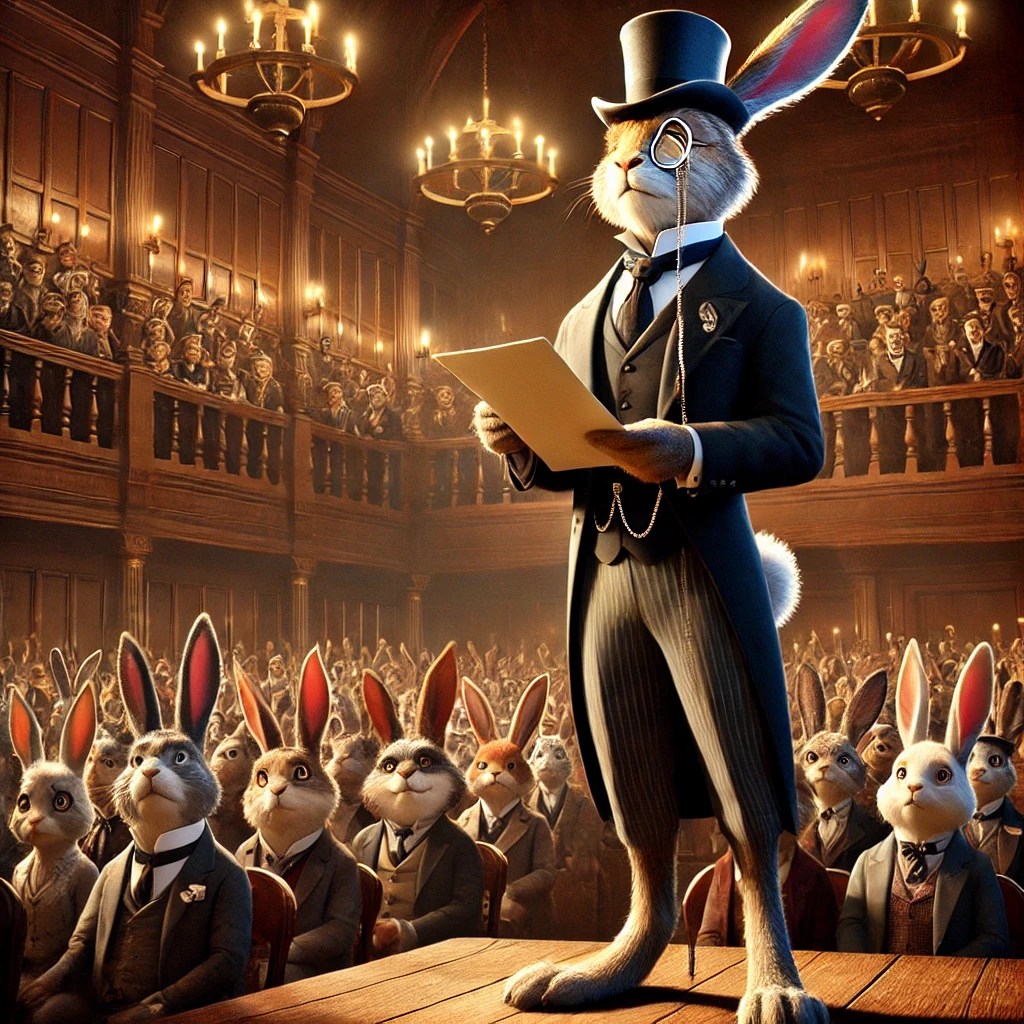

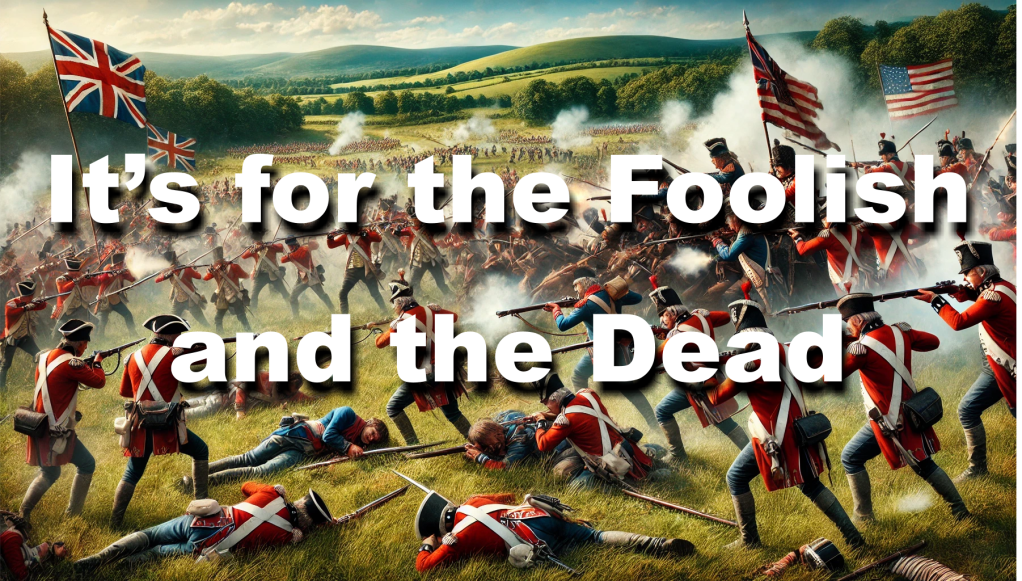

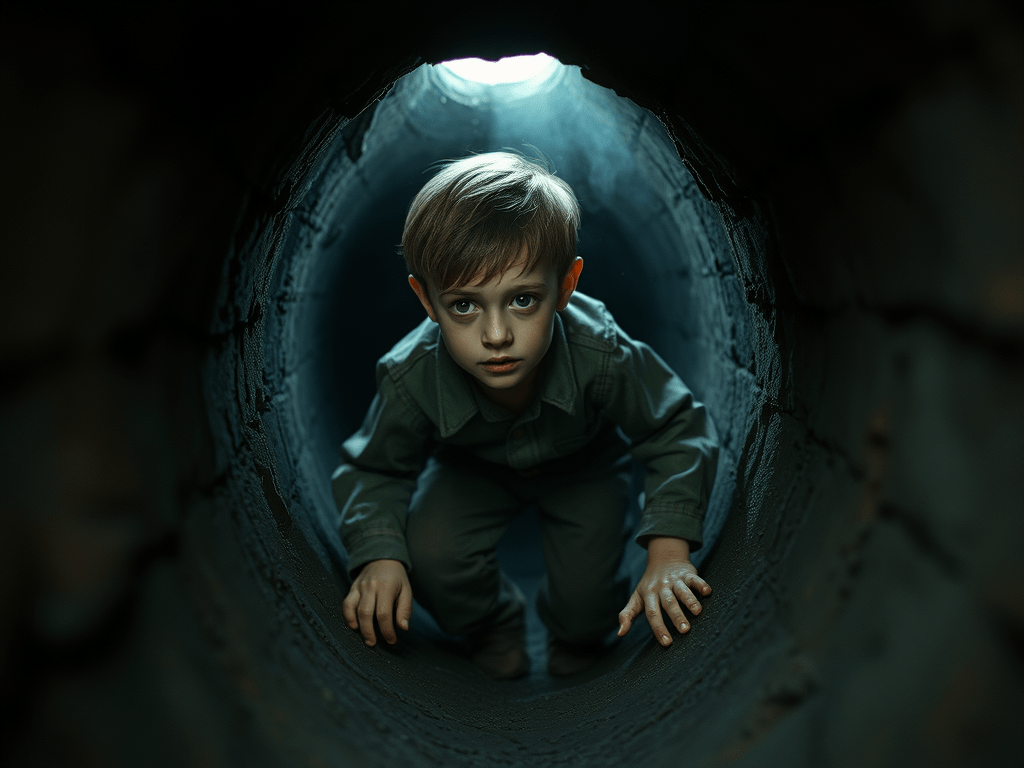



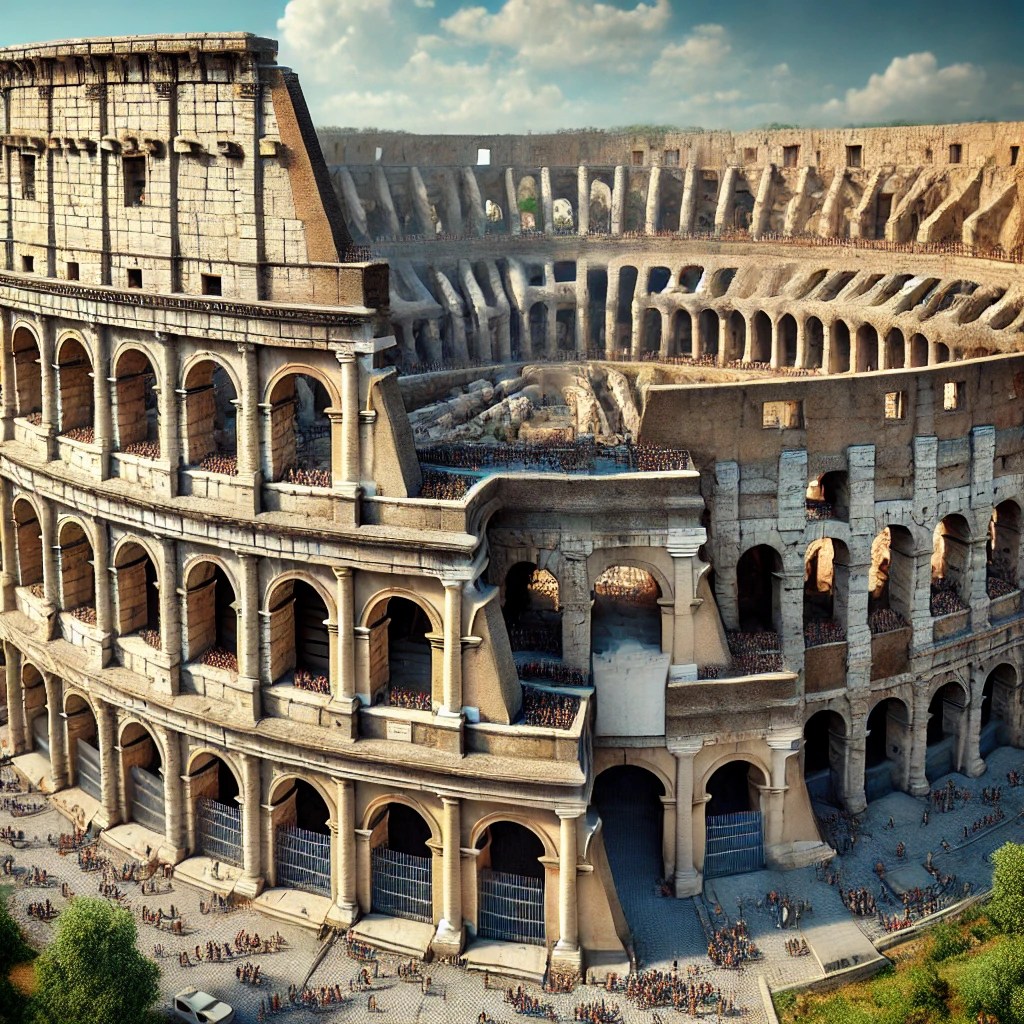


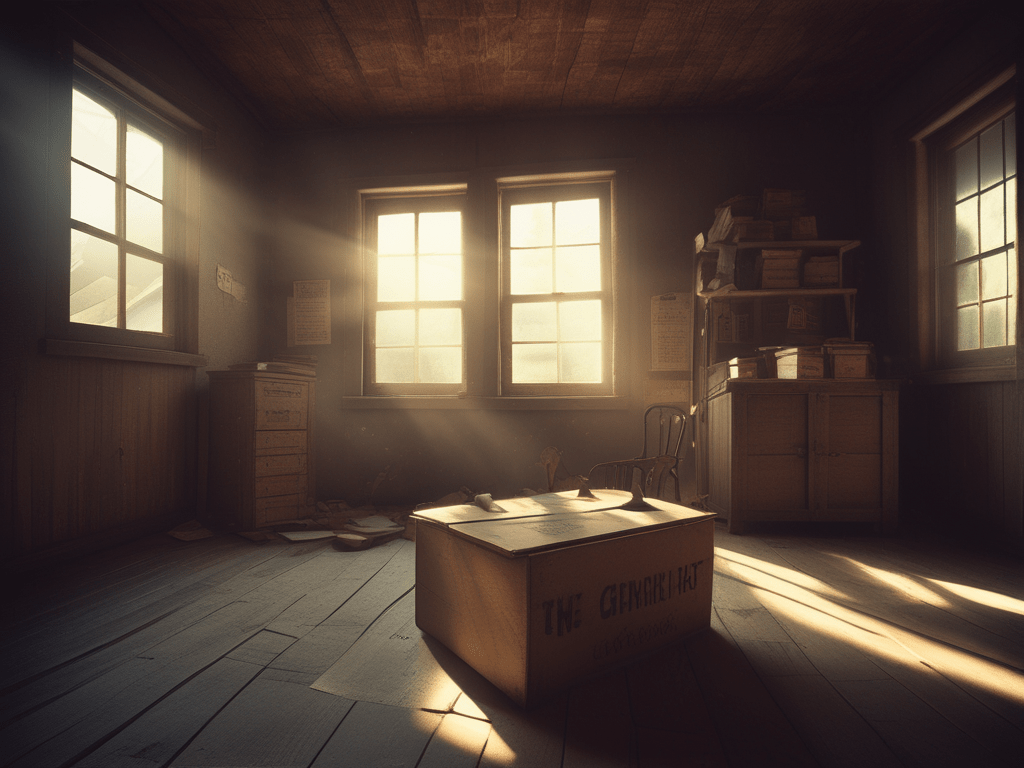
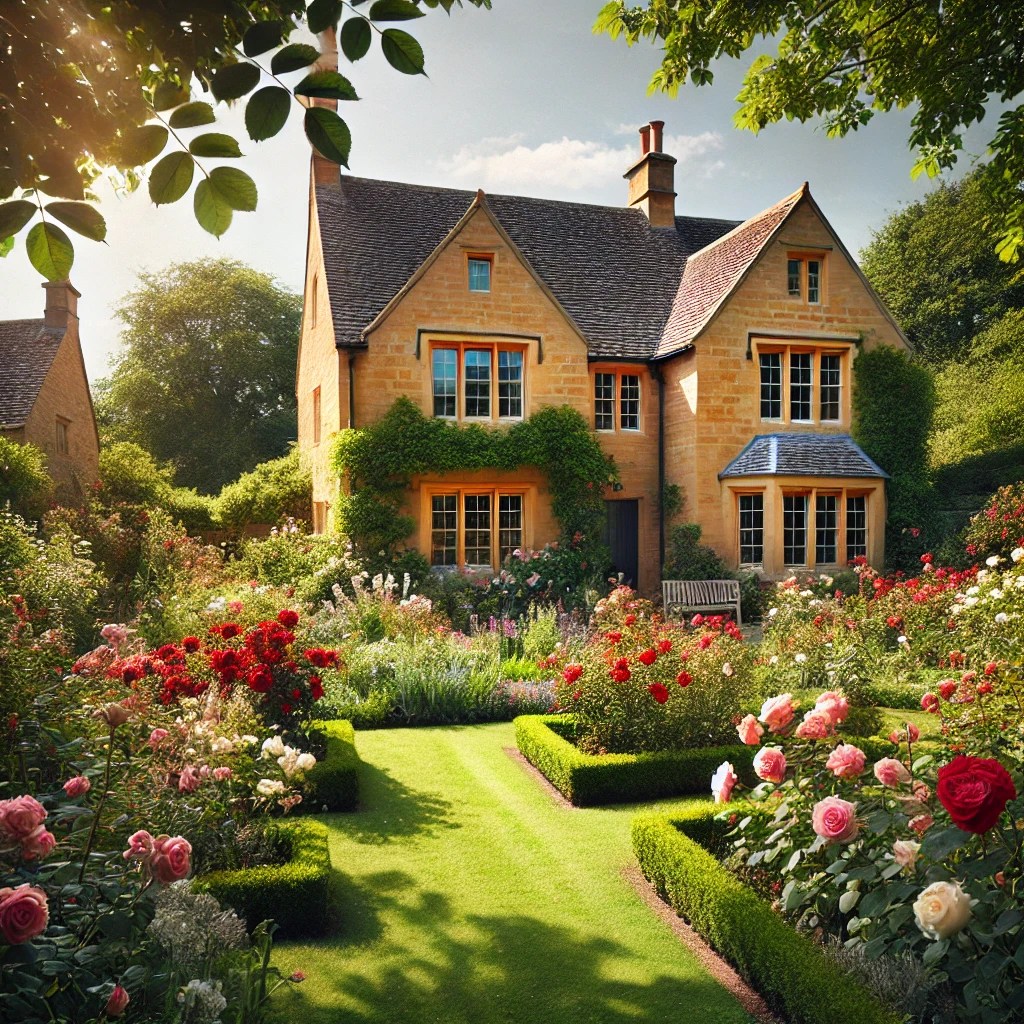
 Verbal Alchemy